How Do Corporate Documents Facilitate International Business?
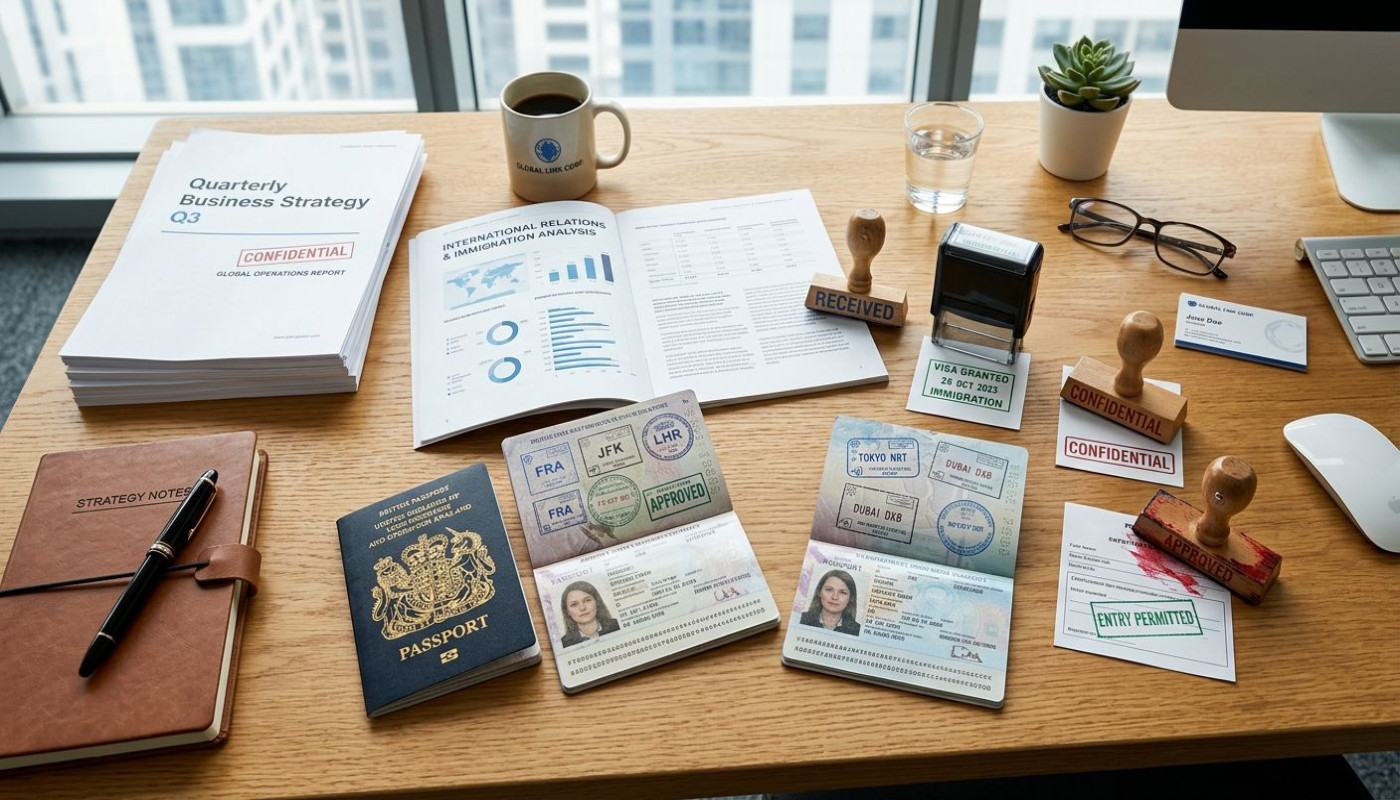
In today’s interconnected world, corporate documents play a vital role in bridging markets and fostering opportunities beyond borders. Understanding how these documents enable smooth international business operations is an essential step for any organization aiming for global growth. Explore the following sections to discover the powerful impact of well-prepared corporate documents on cross-border transactions, legal compliance, and market entry strategies.
Legal compliance across borders
Corporate documents play a pivotal role in ensuring legal compliance when businesses expand operations internationally. Each country imposes distinct jurisdictional requirements, making it necessary for companies to adapt their documentation standards to align with local international regulations. Accurate corporate documents such as certificates of incorporation, shareholder agreements, and board resolutions form the backbone of cross-border transactions, providing both evidence of legitimacy and alignment with regulatory expectations in each region. Without precise and up-to-date documentation, businesses risk legal penalties, operational delays, and a loss of trust among international partners. Robust documentation standards not only facilitate smoother market entry but also serve as a safeguard against compliance breaches, ensuring that every aspect of the company’s operations meets the complex standards set by various legal authorities worldwide.
Smooth cross-border transactions
Standardized corporate documents significantly enhance transaction efficiency in cross-border business by promoting harmonization of business agreements and legal expectations. When companies operate across international borders, differences in documentation standards can often lead to delays, errors, or costly misunderstandings. The use of harmonized templates and formats in documentation ensures that all parties involved in international trade are aligned on definitions, obligations, and deliverables. This standardization not only streamlines communication but also increases reliability and trust, making it easier to execute business agreements swiftly and accurately. As a result, standardized documents reduce the risk of disputes and facilitate smoother negotiations, which supports the growth and sustainability of international business ventures.
Building international trust
Transparent and well-maintained corporate documents serve as the foundation of corporate transparency, making it possible for global partners and investors to engage with confidence. When documentation integrity is prioritized, it demonstrates a company's commitment to clear operations and accurate reporting, directly enhancing business reputation. Regulatory bodies require precise records for compliance, while investors and partners are increasingly relying on thorough documentation to perform due diligence before entering into cross-border agreements. This level of openness assures all parties that the business operates with integrity and accountability, fostering stronger, long-lasting relationships in the international marketplace.
Chief Executive Officers should understand that maintaining rigorous standards in corporate documentation is not just a compliance task, but a strategic asset for building investor confidence. Unambiguous records and transparent reporting make it easier for stakeholders to verify information, reducing perceived risks and setting a positive tone for negotiations. In today's interconnected economy, global partners expect a high level of documentation integrity, as it directly impacts their decision-making process and trust. By embracing these practices, companies strengthen their reputation and appeal to a wider range of international collaborators.
Facilitating market entry
Comprehensive corporate documents play a pivotal role in enabling market entry and business expansion into international markets. For the Head of International Expansion, the process of market penetration depends heavily on the accurate preparation and submission of corporate filings, which are often required by regulatory authorities for registration and licensing. These documents serve as proof of legitimacy, legal compliance, and financial stability, supporting regulatory approval when opening subsidiaries, forming joint ventures, or securing local partnerships. Securing these authorizations streamlines negotiations and builds trust with partners and government agencies, making the transition into unfamiliar legal landscapes less complex and accelerating the start of operations.
Properly maintained and up-to-date corporate documents are frequently requested during due diligence by prospective partners or investors, ensuring transparency and reducing risks associated with international markets. Reliable documentation also facilitates access to valuable company services, including legal, tax, and consultancy support, which are vital for navigating the regulatory frameworks of each target country. Utilizing resources like company services allows organizations to optimize compliance and efficiently address local requirements, ultimately increasing the effectiveness of market entry efforts and supporting long-term business growth abroad.
Supporting dispute resolution
Well-structured corporate documents play a pivotal role in supporting dispute resolution and providing robust legal protection during conflicts in international business. By establishing contract clarity through comprehensive and transparent documentation practices, companies can mitigate misunderstandings between global partners. Clearly defined terms, governing law clauses, and arbitration provisions create a framework that guides the efficient resolution of disputes, often steering parties toward arbitration rather than lengthy litigation. This proactive approach not only protects business interests but also reassures stakeholders that conflicts will be handled according to established protocols, reducing risk and uncertainty in cross-border operations. In the landscape of international business, meticulous documentation practices ensure parties are aligned and have access to reliable records, which are indispensable when issues arise and swift, fair dispute resolution becomes necessary.